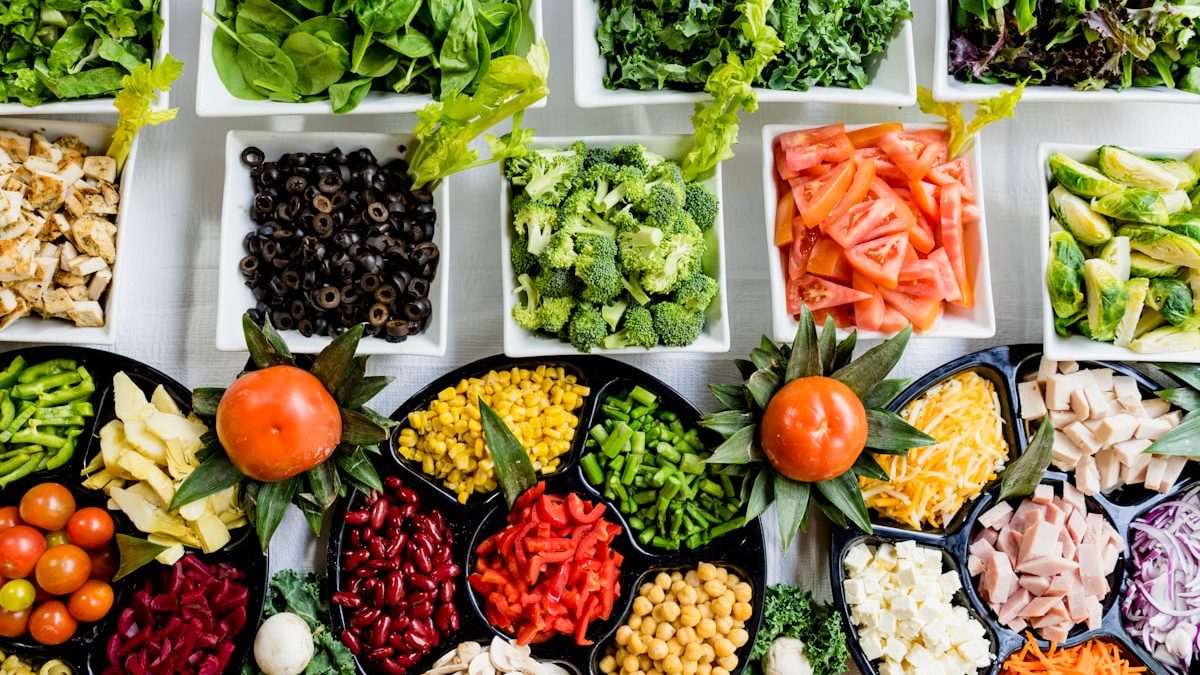


A simple way to think about what to do when cooking feels overwhelming is to build around real life: your schedule, health, preferences, budget and energy all matter.
A beginner-friendly plan
Use the following sequence: notice the current pattern, choose one useful action, prepare the environment, try it for several days, and review the outcome with curiosity.
- Change one variable at a time.
- Look for the most likely trigger.
- Describe the problem without blame.
- Give the adjustment enough time to evaluate.
Make the plan easier to begin
Reduce the setup. Put needed items where you can see them, decide the time in advance, and create a smaller version for low-energy days. A two-minute start often matters more than a complicated ideal.
Troubleshooting
If the plan keeps failing in the same place, change the plan rather than insulting yourself. For what to do when cooking feels overwhelming, that could mean adjusting timing, making meals more satisfying, choosing gentler movement, or asking someone to share the workload.
A seven-day experiment
For one week, record only three things: whether you completed the chosen action, how you felt afterward, and what got in the way. Avoid turning the notes into a scorecard. The purpose is to learn.
Mistakes that create unnecessary pressure
- Reacting to every short-term fluctuation.
- Assuming the same answer fits everyone.
- Ignoring medication or medical factors.
- Cutting food more aggressively.