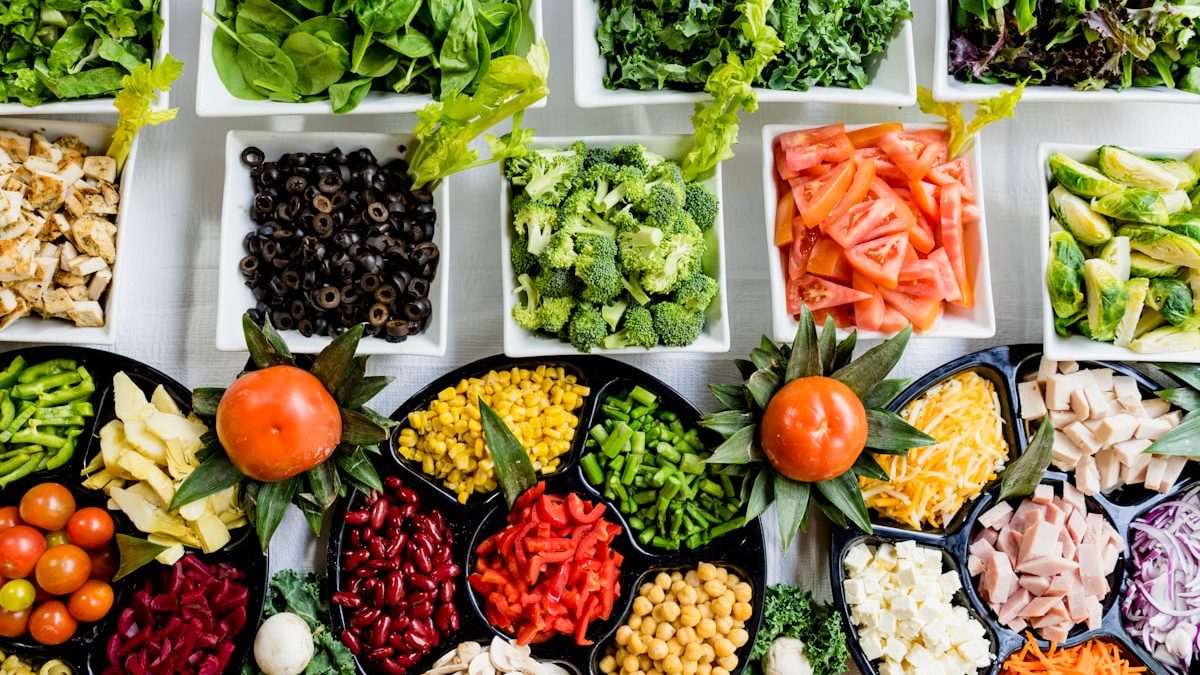


How to Plan Meals Around Hunger and Energy can sound more complicated than it needs to be. Start by looking at your current routine, the obstacle that shows up most often, and one adjustment you can test.
The practical answer
How to Plan Meals Around Hunger and Energy works best when the approach is realistic, nutritionally adequate, and flexible enough to handle ordinary disruptions. Begin with one change, observe how it affects you, and adjust gradually.
Why this can feel difficult
People often receive advice that ignores time, cost, hunger, family preferences or health history. That can make how to plan meals around hunger and energy feel like a test of discipline. It is more useful to treat it as a design problem: what would make the healthier option easier on an ordinary day?
A step-by-step approach
- Add produce you genuinely enjoy. Keep the first version simple and specific.
- Include a dependable source of protein. Keep the first version simple and specific.
- Use flavour so meals feel worth repeating. Keep the first version simple and specific.
- Choose a satisfying high-fibre carbohydrate. Keep the first version simple and specific.
Common mistakes to avoid
- Assuming healthy food must be bland.
- Removing entire food groups without medical advice.
- Making meals too small to be satisfying.
- Forgetting that convenience matters.
A realistic example
Imagine a week when work runs late twice. Instead of abandoning the plan, keep one backup meal, schedule a shorter movement session, and return to your usual routine at the next opportunity. That is what a resilient approach to how to plan meals around hunger and energy can look like.